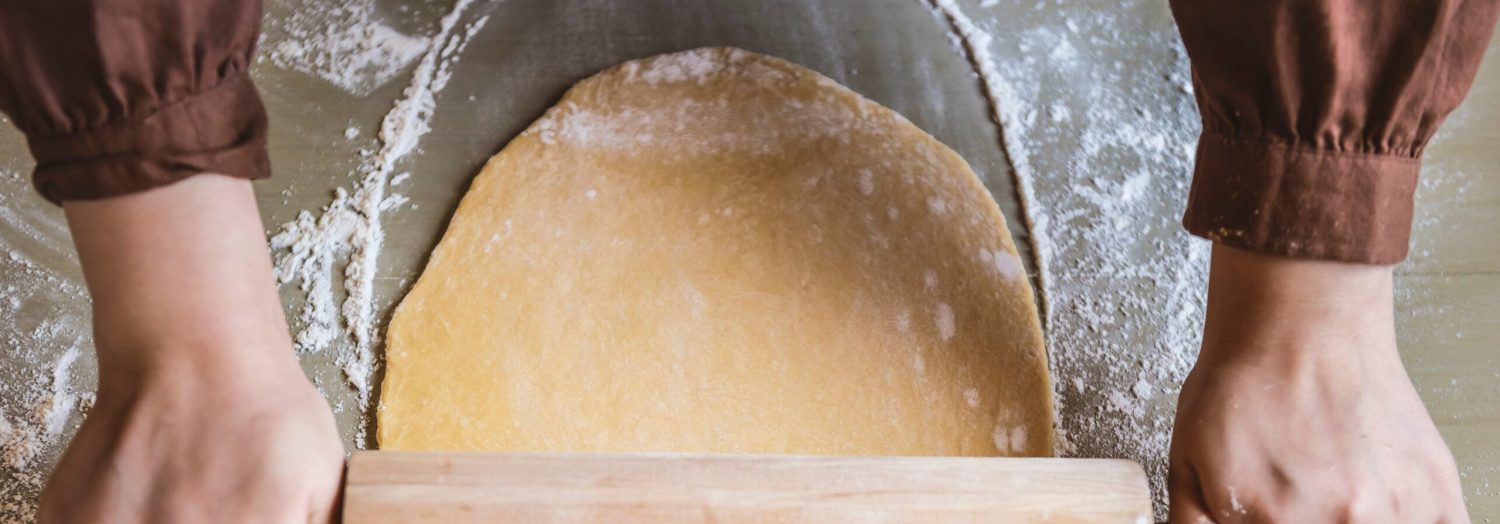
Creating fresh cheese at home is a delightful and rewarding experience. This simple recipe allows you to enjoy the creamy and rich flavors of homemade cheese with minimal ingredients and effort. Perfect for spreading on bread, adding to salads, or incorporating into your favorite dishes, this fresh cheese is sure to become a staple in your kitchen.
The ingredients for this recipe are quite basic and should be easily found in most supermarkets. Whole milk is essential for achieving the right texture and flavor, so avoid using low-fat or skim milk. Lemon juice is used to curdle the milk, and salt enhances the taste of the cheese. Make sure to pick up these items if you don't already have them at home.

Ingredients for Fresh Cheese Recipe
Whole milk: The base of the cheese, providing richness and creaminess.
Lemon juice: Used to curdle the milk, separating the curds from the whey.
Salt: Enhances the flavor of the cheese, making it more savory and delicious.
Technique Tip for Making Cheese
When heating the milk, make sure to stir occasionally to prevent it from scorching at the bottom of the pot. Once you add the lemon juice, stir gently to ensure even curdling. Allowing the mixture to sit undisturbed for 10 minutes helps the curds form properly. When squeezing out the excess whey, be gentle to avoid losing too much moisture, which can make the cheese dry.
Suggested Side Dishes
Alternative Ingredients
whole milk - Substitute with 2% milk: If you prefer a lighter version, 2% milk can be used, though the cheese may be slightly less creamy.
whole milk - Substitute with goat milk: For a tangier flavor, goat milk can be used, which will give the cheese a unique taste.
lemon juice - Substitute with white vinegar: White vinegar can also curdle the milk effectively, though it may impart a slightly different taste.
lemon juice - Substitute with apple cider vinegar: Apple cider vinegar can be used for a milder, slightly fruity flavor.
salt - Substitute with sea salt: Sea salt can be used for a more natural flavor and potentially added minerals.
salt - Substitute with kosher salt: Kosher salt can be used for a cleaner, less intense saltiness.
Alternative Recipes Similar to This Cheese
How to Store or Freeze Your Cheese
Allow the fresh cheese to cool completely before storing. This ensures that condensation doesn't form inside the storage container, which could affect the texture and flavor.
Transfer the fresh cheese to an airtight container. This helps maintain its freshness and prevents it from absorbing any unwanted odors from the refrigerator.
Store the container in the coldest part of your refrigerator, typically the back of the bottom shelf. Fresh cheese can last up to a week when stored properly.
For longer storage, consider freezing the fresh cheese. Wrap the cheese tightly in plastic wrap, then place it in a freezer-safe bag or container. This double layer of protection helps prevent freezer burn.
Label the container with the date of freezing. Fresh cheese can be frozen for up to 2 months, but for the best quality, try to use it within the first month.
When ready to use frozen fresh cheese, thaw it in the refrigerator overnight. Avoid thawing at room temperature to prevent any bacterial growth.
Once thawed, the texture of the fresh cheese may be slightly altered. To restore some of its original creaminess, you can mix it with a small amount of whole milk or cream.
If you notice any off smells, discoloration, or mold, discard the fresh cheese immediately. Freshness is key to enjoying the best flavor and texture.
How to Reheat Leftovers
- Place the fresh cheese in a microwave-safe dish. Cover it with a damp paper towel to retain moisture. Heat on medium power for 30-second intervals, stirring gently between each interval until warmed through.
- Preheat your oven to 350°F (175°C). Wrap the fresh cheese in aluminum foil and place it on a baking sheet. Warm it in the oven for about 10-15 minutes or until it reaches your desired temperature.
- Heat a non-stick skillet over low heat. Add the fresh cheese and cover with a lid. Stir occasionally to ensure even heating, and cook until the cheese is warmed through.
- For a gentle steam method, place the fresh cheese in a heatproof bowl. Set the bowl over a pot of simmering water, ensuring the bottom of the bowl does not touch the water. Cover and steam for about 5-7 minutes, stirring occasionally.
- If you prefer a water bath method, place the fresh cheese in a sealed plastic bag. Submerge the bag in a pot of hot water (not boiling) for about 10 minutes, or until the cheese is heated through.
Essential Tools for Making Cheese
Pot: Used to heat the milk over medium heat until it starts to simmer.
Stirring spoon: Used to gently stir the milk after adding the lemon juice to help it curdle.
Cheesecloth: Used to line the strainer and separate the curds from the whey.
Strainer: Used to hold the cheesecloth and allow the whey to drain away from the curds.
Measuring spoons: Used to measure the lemon juice and salt accurately.
Bowl: Placed under the strainer to catch the whey as it drains from the curds.
Thermometer: Optional, but can be used to monitor the milk temperature to ensure it reaches the right simmering point.
Ladle: Optional, but can be used to transfer the curdled milk into the cheesecloth-lined strainer.
How to Save Time on Making Cheese
Preheat the milk: Use a microwave to quickly heat the milk before transferring it to the pot. This reduces the time needed to reach a simmer.
Use bottled lemon juice: Instead of squeezing fresh lemons, use bottled lemon juice to save time.
Prepare cheesecloth in advance: Line the strainer with cheesecloth before starting the recipe to streamline the process.
Quick curdling: Stir the lemon juice into the milk immediately after it starts to simmer to speed up curdling.
Efficient straining: Use a fine-mesh strainer along with the cheesecloth to ensure quick separation of curds and whey.
Fresh Cheese Recipe
Ingredients
Main Ingredients
- 1 liter Milk whole milk
- 2 tablespoon Lemon juice
- 1 teaspoon Salt
Instructions
- 1. Heat the milk in a pot over medium heat until it starts to simmer.
- 2. Add the lemon juice and stir gently. The milk will curdle.
- 3. Remove from heat and let it sit for 10 minutes.
- 4. Pour the mixture through a cheesecloth-lined strainer to separate the curds from the whey.
- 5. Gather the cheesecloth and squeeze out any excess whey. Add salt to the curds and mix.
- 6. Your fresh cheese is ready to serve!
Nutritional Value
Keywords
Suggested Main Courses and Desserts for This Cheese
More Amazing Recipes to Try 🙂
- Pancake Casserole with Streusel Recipe1 Hours
- Hash Brown Casserole Recipe1 Hours
- Oatmeal Wheat Flour Blueberry Pancakes Recipe30 Minutes
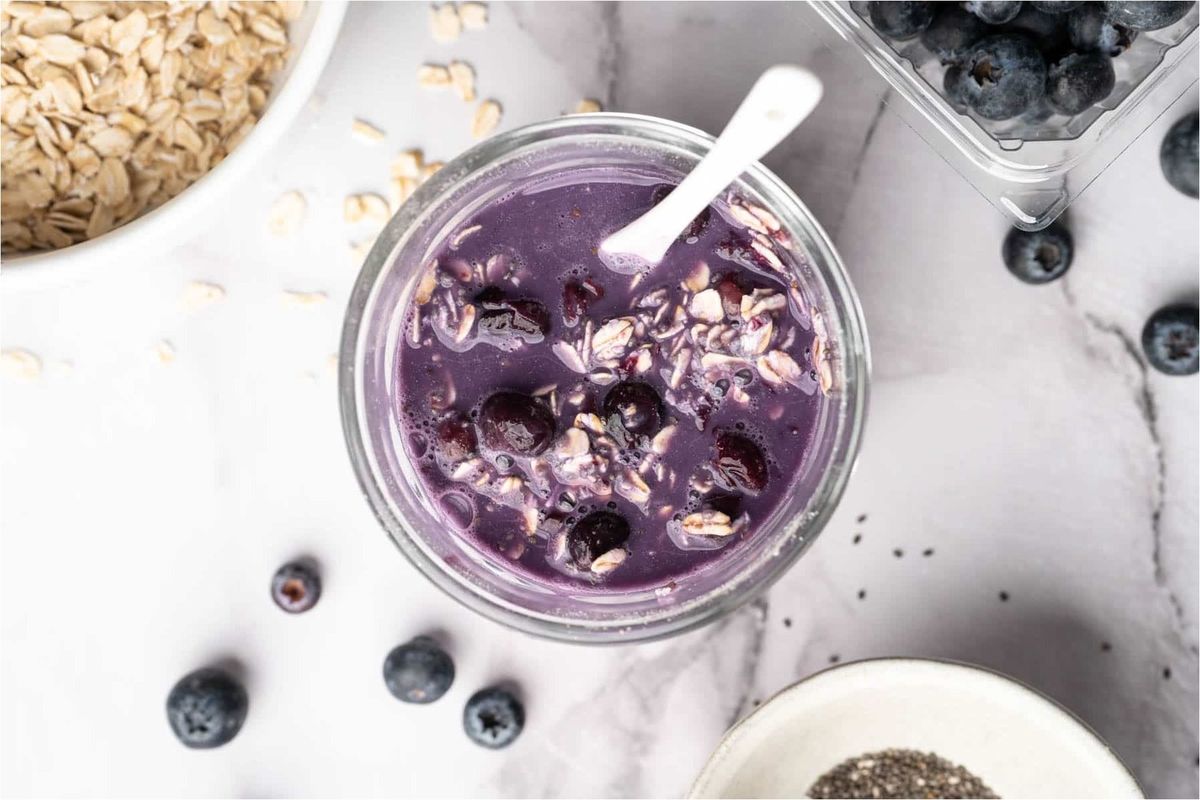
- Overnight Oats Blueberry Smoothie Bowl Recipe10 Minutes
- Gluten-Free Sausage Gravy Recipe30 Minutes
- Chili Pepper Corn and Bacon Quiche Recipe1 Hours
- Spinach and Potato Frittata Recipe30 Minutes
- Banana Cinnamon Roll Casserole Recipe40 Minutes









Leave a Reply